


Nutrition for Healthy Eyes: Foods That Boost Eye Health
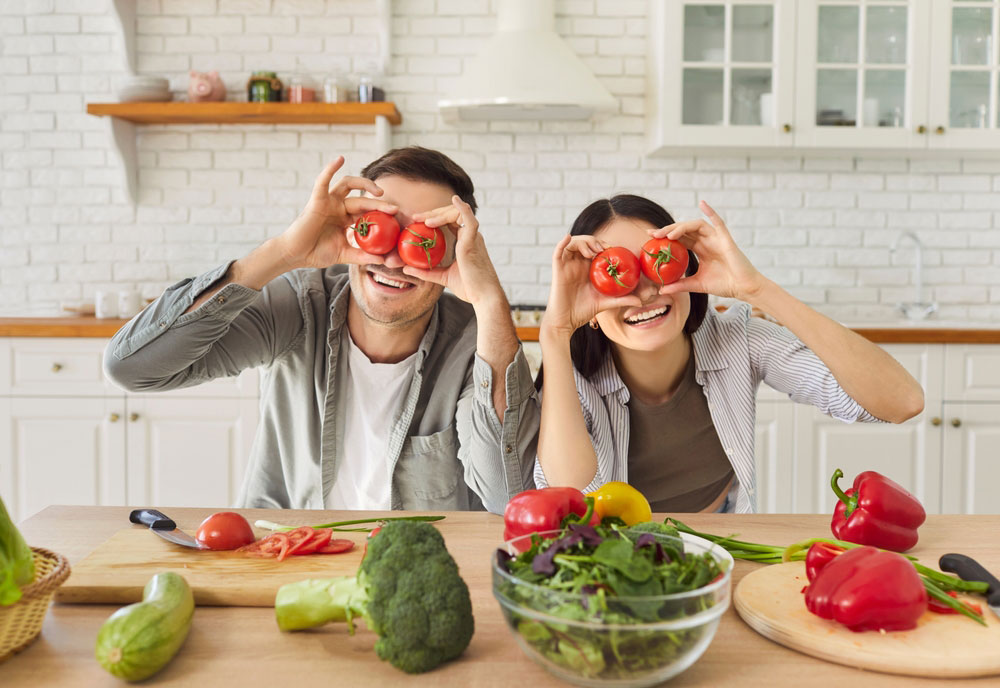
Maintaining healthy vision involves more than simply updating your prescription or protecting your eyes from injury. The foods you eat every day can have a meaningful impact on long-term eye health by providing essential nutrients that support the retina, lens, and other structures within the eye. At The Optical Shoppe in Smyrna, TN, patients are encouraged to understand the many lifestyle habits that contribute to healthy vision, including good nutrition. While no single food can prevent every eye condition, a balanced diet rich in vitamins, minerals, and antioxidants can help support your eyes throughout every stage of life.
Developing healthy eating habits early and maintaining them over time may also complement routine Eye Exams, which remain an important part of monitoring changes in vision and overall eye health. Combining nutritious foods with regular preventive care provides a well-rounded approach to protecting your eyesight.
Key Nutrients That Support Eye Health
Several nutrients have been extensively studied for their role in maintaining healthy eyes. Vitamin A is perhaps the best-known nutrient for vision because it helps the retina function properly and supports night vision. Foods such as sweet potatoes, carrots, pumpkin, and spinach are excellent sources of beta-carotene, which the body converts into vitamin A.
Lutein and zeaxanthin are powerful antioxidants found in the macula, the part of the retina responsible for detailed central vision. These nutrients help filter harmful blue light and reduce oxidative stress that naturally occurs as we age. Dark leafy greens like kale, spinach, and collard greens are among the richest dietary sources. Eggs also provide lutein and zeaxanthin in a form that is easily absorbed by the body.
Vitamin C, vitamin E, and zinc work together to protect eye tissues from damage caused by free radicals. Citrus fruits, strawberries, bell peppers, almonds, sunflower seeds, beans, and lean meats can all contribute to a diet that supports healthy vision while benefiting overall wellness.
Foods That Help Protect Vision
A colorful plate is often a healthy plate when it comes to eye nutrition. Fruits and vegetables with vibrant orange, yellow, red, and green colors typically contain antioxidants that help protect delicate eye structures. Berries, oranges, broccoli, tomatoes, and peppers all provide valuable nutrients that support healthy blood vessels within the eyes.
Fatty fish such as salmon, sardines, tuna, and mackerel are rich in omega-3 fatty acids, particularly DHA, which is an important structural component of the retina. Omega-3s may also support tear production and contribute to overall eye comfort. Individuals who wear Contact Lenses may especially appreciate the importance of maintaining healthy tear production, as adequate lubrication plays a role in overall eye comfort.
Simple dietary habits can make a difference over time. Consider incorporating more of these foods into your weekly meals:
- Dark leafy greens such as spinach and kale
- Carrots and sweet potatoes
- Salmon and other fatty fish
- Citrus fruits and berries
- Eggs
- Nuts and seeds
- Colorful bell peppers and tomatoes
- Beans and legumes
Nutrition as Part of Long-Term Eye Care
Healthy eating supports overall wellness, but it is only one part of maintaining good vision. Age, genetics, medical conditions, and environmental factors also influence eye health. Certain eye conditions, including Cataracts and Glaucoma, may develop gradually and often require professional monitoring because early stages may not produce noticeable symptoms.
In addition to eating a nutrient-rich diet, protecting your eyes from excessive ultraviolet (UV) exposure is another important habit. Wearing quality Sunglasses outdoors can help reduce UV exposure while supporting long-term eye health. Staying physically active, managing chronic conditions such as diabetes and high blood pressure, avoiding smoking, and maintaining routine eye evaluations all work together to preserve healthy vision.
Small Changes Can Make a Lasting Difference
Good nutrition is an investment in your overall health, and your eyes benefit from those choices every day. While healthy foods cannot guarantee perfect vision, they provide important building blocks that help your eyes function at their best and may support healthy aging. Consistently choosing nutrient-dense foods, protecting your eyes from environmental stressors, and scheduling regular eye evaluations all contribute to maintaining healthy eyesight for years to come.
Whether you’re focused on preventive wellness or simply looking for ways to support your vision naturally, making informed dietary choices is an excellent place to start. The Optical Shoppe proudly serves the Smyrna, TN community by helping patients understand the importance of lifelong eye health through education and preventive care.
Resources
National Eye Institute. (2023). Healthy Vision: Healthy Eyes. National Institutes of Health.
American Academy of Ophthalmology. (2024). Eye-Healthy Foods. American Academy of Ophthalmology.
Harvard T.H. Chan School of Public Health. (2023). The Nutrition Source: Vitamins and Minerals.
If you’d like, I can also optimize this further for SEO by naturally incorporating “Smyrna, TN” and related local keywords without making it read like keyword stuffing.

Dr. Paul D. Trapeni JrAt The Optical Shoppe, we're dedicated to optometry excellence under the guidance of Dr. Paul D Trapeni. Serving the Smyrna community since 1989, Dr. Trapeni is a trusted member of the community, bringing general and specialized optometry care to individuals and families throughout the area.