


Blue Light and Your Eyes: Separating Fact from Fiction
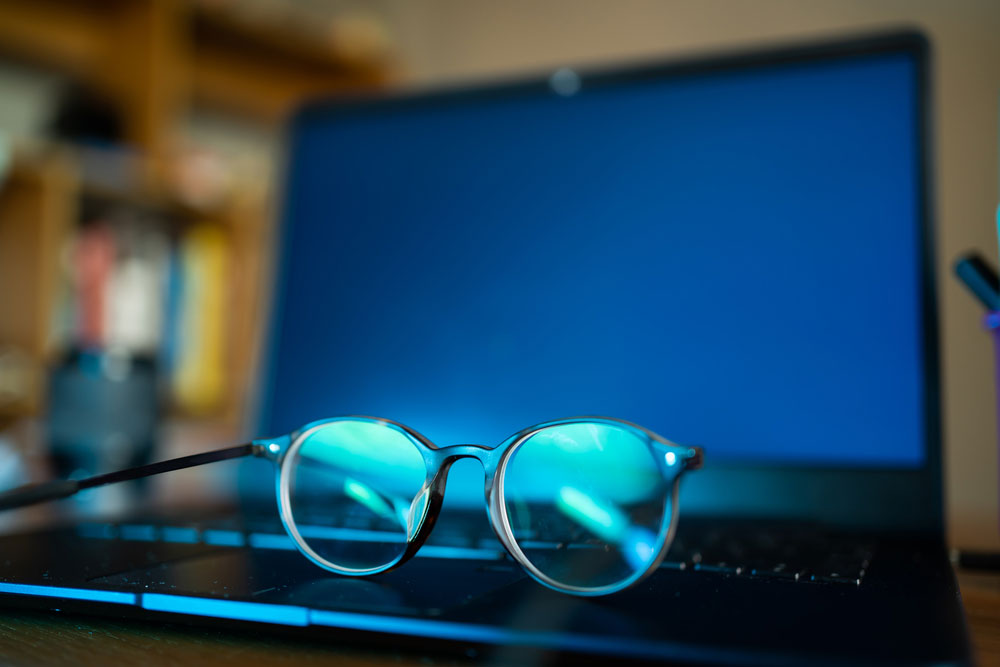
With smartphones, tablets, computers, and LED lighting becoming part of everyday life, blue light has become a frequent topic of discussion when it comes to eye health. Many claims suggest that blue light from digital devices causes permanent eye damage, while others argue that it has little effect at all. At The Optical Shoppe in Smyrna, TN, helping patients understand the science behind common eye health topics is an important part of promoting lifelong vision. Knowing what research has confirmed—and what remains a misconception—can help people make informed decisions about protecting their eyes.
Blue light is a natural part of the visible light spectrum and is produced not only by digital screens but also by the sun. In fact, sunlight is by far the largest source of blue light exposure. Although prolonged screen use can contribute to visual discomfort, current scientific evidence does not support many of the alarming claims that circulate online regarding blue light and permanent vision loss.
Understanding Blue Light
Blue light is a high-energy, short-wavelength form of visible light. During the day, exposure to natural blue light helps regulate the body’s internal clock, supports alertness, and plays an important role in maintaining healthy sleep-wake cycles. Problems typically arise not because blue light is inherently harmful, but because many people spend long periods looking at digital screens without taking regular visual breaks.
Digital devices emit significantly less blue light than natural sunlight. While researchers continue to study the long-term effects of cumulative exposure, there is currently no strong evidence that normal screen use causes permanent damage to healthy eyes. Instead, much of the discomfort associated with screen time is related to reduced blinking, prolonged focusing at close distances, and poor ergonomic habits.
Fact vs. Fiction About Blue Light
Several myths have contributed to confusion about blue light and eye health. Understanding the facts can help separate evidence-based recommendations from common misconceptions.
- Fact: Blue light is naturally present in sunlight and is part of everyday life.
- Fact: Extended screen use can contribute to digital eye strain, but this is often caused by prolonged focusing and decreased blinking rather than blue light itself.
- Fiction: Blue light from digital devices has been proven to cause permanent eye damage in healthy individuals.
- Fiction: Blue light-filtering glasses have been definitively shown to prevent digital eye strain for everyone.
Some individuals report feeling more comfortable while using blue light-filtering lenses, but research has produced mixed findings regarding their effectiveness for reducing digital eye strain. Personal preference, workplace lighting, screen positioning, and overall visual habits often have a greater impact on comfort than blue light exposure alone.
Reducing Digital Eye Strain
Whether or not blue light is the primary cause of eye discomfort, spending hours on digital devices can leave the eyes feeling tired, dry, or irritated. Fortunately, several simple habits can help improve visual comfort throughout the day.
Following the 20-20-20 rule—looking at something 20 feet away for 20 seconds every 20 minutes—gives the focusing system an opportunity to relax. Remembering to blink frequently helps maintain a healthy tear film, reducing dryness that commonly occurs during screen use. Adjusting screen brightness, minimizing glare, maintaining proper viewing distance, and ensuring adequate room lighting can also make extended computer work more comfortable.
Routine Eye Exams are another important part of managing digital eye strain. An updated prescription for Eyeglasses or Contact Lenses can improve visual comfort during prolonged screen use when vision correction is needed.
A Balanced Approach to Eye Health
Blue light is only one factor among many that influence visual comfort and long-term eye health. Maintaining a healthy lifestyle, eating a nutrient-rich diet, getting adequate sleep, and protecting your eyes from excessive ultraviolet (UV) exposure with quality Sunglasses all contribute to preserving healthy vision. These habits, combined with regular comprehensive eye evaluations, provide a more complete approach to eye care than focusing on blue light alone.
As research continues to evolve, it is important to rely on evidence-based information rather than common myths. Understanding the difference between temporary digital eye strain and permanent eye disease allows individuals to make informed choices about screen use and overall eye health. The Optical Shoppe is proud to support the Smyrna, TN community by providing educational resources that help people protect their vision at every stage of life.
Resources
American Academy of Ophthalmology. (2024). Blue Light and Digital Eye Strain. American Academy of Ophthalmology.
National Eye Institute. (2023). Keep Your Eyes Healthy. National Institutes of Health.
American Optometric Association. (2024). Eye Deserve More: Computer Vision Syndrome (Digital Eye Strain).

Dr. Paul D. Trapeni JrAt The Optical Shoppe, we're dedicated to optometry excellence under the guidance of Dr. Paul D Trapeni. Serving the Smyrna community since 1989, Dr. Trapeni is a trusted member of the community, bringing general and specialized optometry care to individuals and families throughout the area.