


Retinal Detachment: Symptoms and Treatment Options
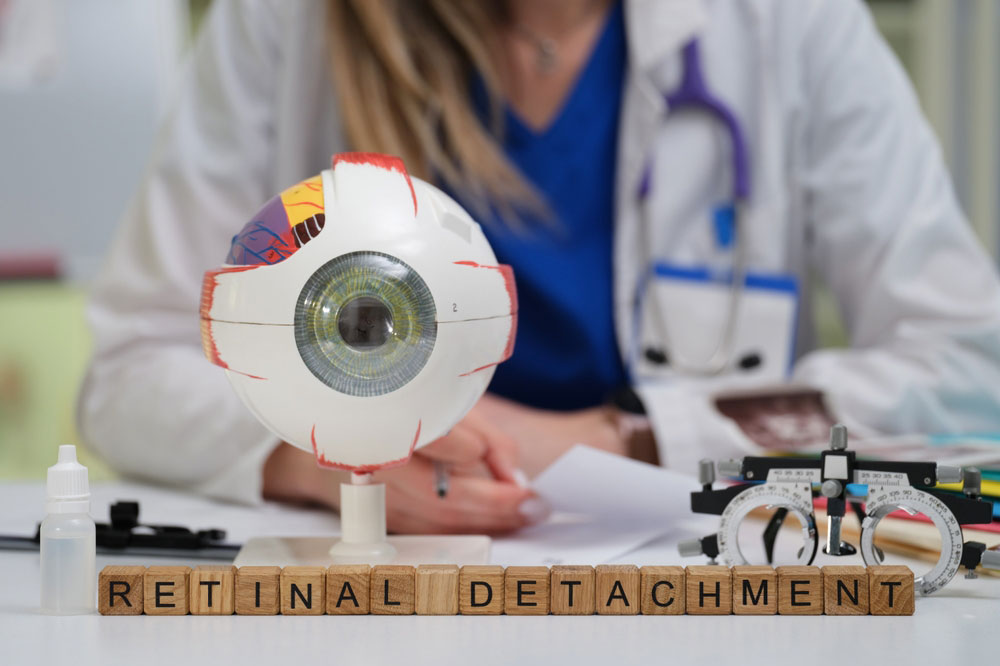
Retinal detachment is a serious eye condition that can lead to permanent vision loss if not addressed promptly. At The Optical Shoppe in Smyrna, TN, Dr. Paul Trapeni emphasizes the importance of recognizing early warning signs and seeking immediate care. The retina is a thin layer of tissue at the back of the eye that converts light into electrical signals for the brain. When it detaches, this crucial process is disrupted, threatening central and peripheral vision. Awareness and timely intervention are critical to preserving sight.
Retinal detachment can develop suddenly or gradually, depending on the cause. Some people may experience warning signs hours or days before the retina fully detaches, while in other cases, it may occur rapidly. Understanding the risk factors and early symptoms is key to preventing permanent vision impairment. Prompt evaluation by an eye care professional can make the difference between full recovery and irreversible vision loss.
Symptoms and Warning Signs
Early Indicators
The early signs of retinal detachment often include sudden flashes of light in one or both eyes, the appearance of floaters—tiny dark specks or cobweb-like shapes drifting through vision—or a shadow or curtain effect across the visual field. These symptoms should never be ignored, as they often precede more serious detachment. Even mild changes in vision warrant a comprehensive eye exam to assess the retina and prevent further damage.
Advanced Symptoms
As retinal detachment progresses, individuals may notice a growing area of vision loss, often described as a dark curtain descending over the eye. Distortion or blurring of central vision can also occur, making it difficult to read, recognize faces, or perform routine tasks. Rapid medical attention is essential at this stage, as the longer the retina remains detached, the higher the risk of permanent vision loss. Recognizing the difference between minor visual disturbances and symptoms of retinal detachment is crucial for timely treatment.
Causes and Risk Factors
Retinal detachment can result from several underlying factors. Age-related changes, particularly in individuals over 50, can weaken the retina and make it more susceptible. Severe nearsightedness (myopia), previous eye injuries, prior eye surgery, or conditions such as diabetic eye disease can increase the likelihood of detachment. Additionally, retinal tears or holes often precede detachment and are more common in people with a family history of retinal problems. Understanding these risk factors allows individuals to take preventive measures and seek routine retinal evaluations.
High-impact trauma, such as sports injuries or accidents, is another major cause. Individuals who participate in contact sports or engage in activities with a risk of eye injury should consider protective eyewear and remain vigilant for warning signs. Preventive care, including regular monitoring of retinal health, is essential for at-risk populations.
Treatment Options
Non-Surgical Interventions
In cases of small retinal tears without full detachment, laser therapy or cryotherapy may be used to seal the retina and prevent progression. These procedures create a scar that holds the retina in place, reducing the risk of detachment. Timely detection and intervention during this stage can prevent more invasive procedures and preserve vision.
Surgical Treatment
When the retina has detached, surgery is usually required to reattach it. Common surgical options include scleral buckling, pneumatic retinopexy, and vitrectomy. Scleral buckling involves placing a silicone band around the eye to push the wall of the eye closer to the retina. Pneumatic retinopexy uses a gas bubble to press the retina into place, and vitrectomy involves removing the vitreous gel and replacing it with a saline solution or gas. The choice of procedure depends on the severity, location, and complexity of the detachment. Post-surgery recovery often includes activity restrictions and close monitoring to ensure the retina heals properly.
Acting Quickly to Preserve Vision
Retinal detachment is a medical emergency that requires immediate attention. At The Optical Shoppe in Smyrna, TN, Dr. Paul Trapeni stresses the importance of recognizing early symptoms, understanding risk factors, and seeking prompt treatment. Regular eye exams, protective measures, and awareness of visual changes are essential for maintaining eye health and preventing permanent vision loss. Quick action and professional care can preserve sight and safeguard quality of life.
Resources
-
Wilkinson, C. P., & Rice, T. A. (2004). Retinal detachment: principles and management. American Journal of Ophthalmology.
-
Bhagat, N., & McKibbin, M. (2007). Risk factors for retinal detachment. Survey of Ophthalmology.
-
Schwartz, S. G., Flynn, H. W., & Garg, S. J. (2013). Retinal detachment: clinical review and updates. Clinical Ophthalmology.

Dr. Paul D. Trapeni JrAt The Optical Shoppe, we're dedicated to optometry excellence under the guidance of Dr. Paul D Trapeni. Serving the Smyrna community since 1989, Dr. Trapeni is a trusted member of the community, bringing general and specialized optometry care to individuals and families throughout the area.