


Sports Eye Safety: Protecting Your Eyes During Athletic Activities
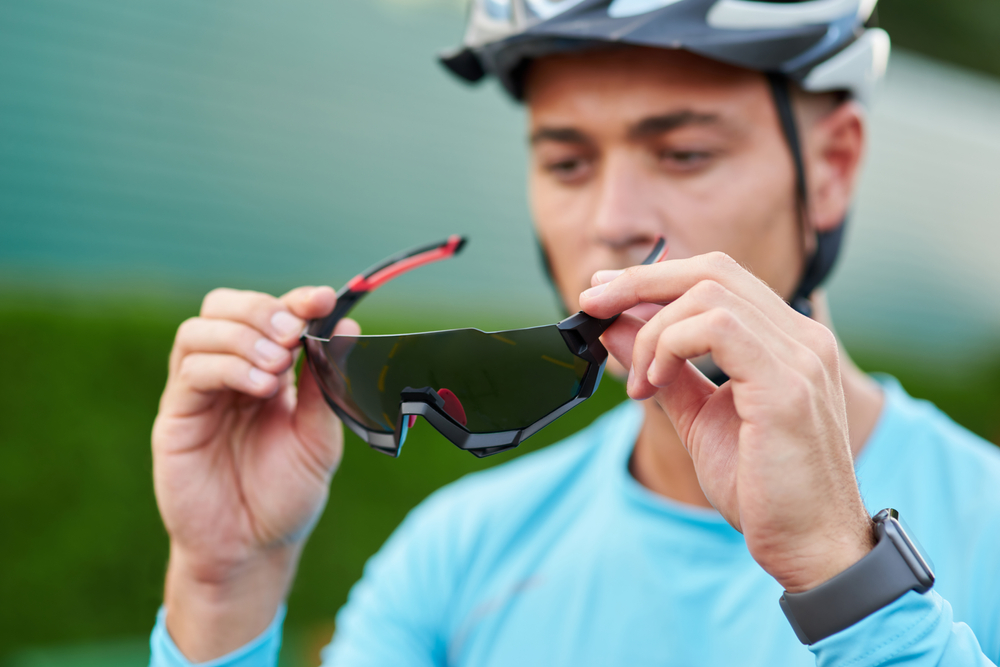
Sports are a great way to stay active and healthy, but they also come with risks—particularly to your eyes. In Smyrna, TN, Dr. Paul Trapeni and The Optical Shoppe emphasize that vision protection should be part of every athlete’s game plan. Millions of eye injuries occur each year in sports, many of which are preventable with the right precautions. From high-speed balls to flying debris and UV exposure, protective eyewear plays a crucial role in safeguarding your sight, no matter your sport or skill level.
Understanding the Risks of Sports-Related Eye Injuries
Eye injuries in sports can range from minor irritations to severe trauma that may cause permanent vision damage. Activities involving fast-moving objects, such as baseball, racquetball, or basketball, carry a high risk of eye impact injuries. Even non-contact sports can be hazardous due to environmental elements like dust, sunlight, or water-borne particles.
Common sports eye injuries include corneal abrasions, blunt trauma, and orbital fractures. In more serious cases, internal damage can lead to vision loss or complications such as glaucoma or cataracts later in life. These injuries can be particularly devastating for young athletes, whose vision plays a key role in coordination and performance. Fortunately, most of these risks can be significantly reduced through proper protective eyewear and precautionary measures.
The Role of Protective Eyewear
Wearing the correct eyewear can make all the difference in preventing eye injuries. Protective sports goggles, made with impact-resistant materials like polycarbonate, are designed to withstand strong forces and shield the eyes from direct hits. Regular glasses or sunglasses are not sufficient during sports—they can shatter upon impact, causing further injury.
For outdoor sports, tinted or UV-protected eyewear is recommended to prevent long-term sun-related damage. The sunglasses designed for athletic use often feature wraparound styles, which block ultraviolet rays and peripheral glare. Athletes who rely on contact lenses should still wear protective eyewear over them, as lenses offer no protection against impact or debris. Having regular eye exams can also help ensure that your eyewear fits correctly and provides optimal vision correction for safe play.
Tips for Preventing Sports Eye Injuries
Regardless of age or sport, prevention is key when it comes to protecting your eyes. Following a few simple guidelines can dramatically reduce the risk of injury:
-
Always use sport-specific protective eyewear made from shatterproof materials.
-
Avoid playing in poor lighting or unmarked areas that increase collision risk.
-
Replace damaged or scratched lenses, as they weaken protection.
-
For water sports, use goggles designed to prevent irritants and bacteria from entering the eyes.
-
Be cautious with contact lenses in outdoor environments—dust, wind, and sweat can cause discomfort or infection.
Recreational athletes often underestimate the value of eye protection. Even casual weekend games can pose threats to visual safety, so making protective eyewear part of your sports routine is one of the best preventive measures available.
Long-Term Vision Health and Awareness
Eye safety in sports goes beyond injury prevention—it’s about maintaining overall eye health for the future. Repeated mild injuries or unprotected exposure to sunlight can accelerate conditions that affect vision later in life. Regular eye exams are important for detecting early warning signs of these issues and ensuring your vision remains strong and clear.
By prioritizing sports eye safety, athletes in Smyrna, TN, can enjoy their favorite activities while protecting their sight. At The Optical Shoppe, Dr. Paul Trapeni encourages everyone—from children joining their first team to adults playing recreational leagues—to take simple yet effective measures to shield one of their most valuable assets: their vision.
Resources:
American Academy of Ophthalmology. (2023). Protecting Your Eyes During Sports.
DeBroff, B. M., & Pahk, P. J. (2018). Sports-related ocular injuries and prevention strategies. Clinical Ophthalmology.
National Eye Institute. (2021). Eye Safety and Sports: Risk Reduction and Protection.

Dr. Paul D. Trapeni JrAt The Optical Shoppe, we're dedicated to optometry excellence under the guidance of Dr. Paul D Trapeni. Serving the Smyrna community since 1989, Dr. Trapeni is a trusted member of the community, bringing general and specialized optometry care to individuals and families throughout the area.