


Gas Permeable (GP) Contact Lenses: Are They Right for You?
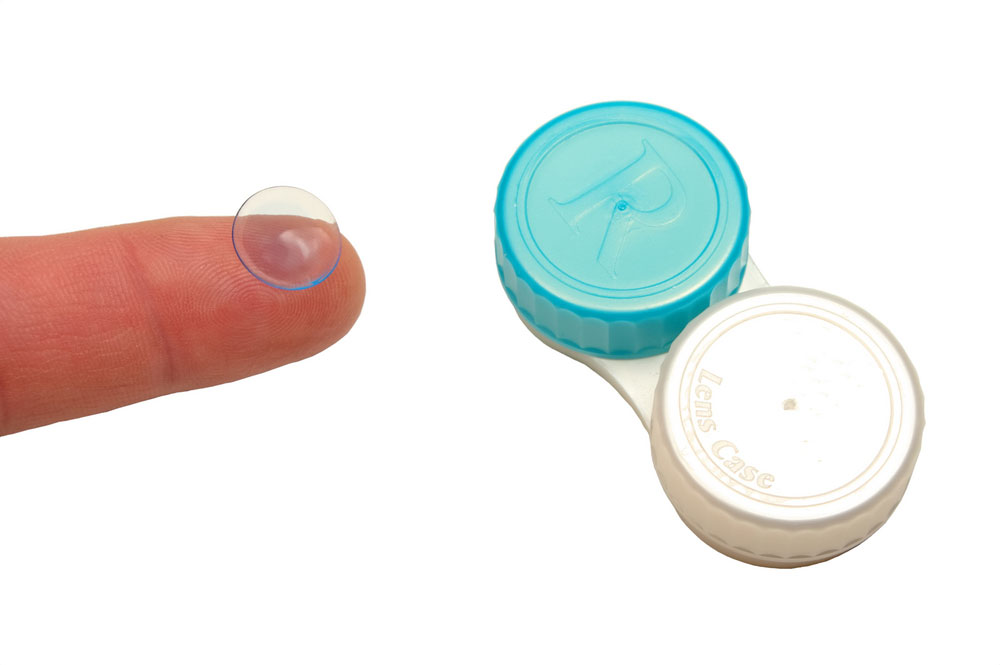
Choosing the right type of contact lens is more than just a matter of comfort—it’s about long-term vision health, lifestyle compatibility, and visual clarity. If you’re exploring alternatives to soft contact lenses or glasses, you may have come across gas permeable (GP) contact lenses. At The Optical Shoppe in Smyrna, TN, we believe that educating our community about vision care options is essential for making informed decisions. One such lesser-known, yet highly effective option is GP lenses. But what exactly are gas permeable lenses, and are they right for you?
What Are Gas Permeable Contact Lenses?
Gas permeable lenses, sometimes referred to as rigid gas permeable (RGP) lenses, are hard lenses made from durable plastics that transmit oxygen. Unlike soft lenses, which are larger and conform more closely to the eye’s surface, GP lenses maintain their shape. This characteristic allows them to provide sharper vision, particularly for individuals with certain corneal irregularities or astigmatism.
Though they’ve been around since the 1970s, GP lenses remain a viable and even preferred option for specific vision needs. One of their key advantages lies in oxygen permeability. By allowing more oxygen to reach the eye, they promote better corneal health. Because of their rigidity, GP lenses don’t absorb moisture, which makes them resistant to protein buildup—a common issue with soft lenses. However, they do require an adaptation period as users get accustomed to the feel of a firmer lens on the eye.
Benefits That Go Beyond Vision Correction
One of the primary benefits of GP lenses is the visual acuity they offer. For individuals with high astigmatism, keratoconus, or post-surgical corneas, GP lenses often provide clearer vision than soft lenses. This is because the firm surface of the lens helps smooth out irregularities on the cornea, effectively creating a more uniform surface for light to enter the eye.
In addition to superior visual clarity, GP lenses are long-lasting. While soft lenses may need to be replaced weekly or monthly, a well-maintained pair of GP lenses can last up to a year or even longer. This makes them cost-effective in the long run. They are also smaller in diameter than soft lenses, which means they move more on the eye and promote better tear exchange, helping keep the eye healthy. And because they don’t contain water like soft lenses, they are less likely to attract debris or allergens, making them a better option for those with allergies.
Potential Drawbacks to Consider
Despite their many benefits, gas permeable lenses are not ideal for everyone. The most common challenge users face is the initial comfort. Because GP lenses are rigid, many wearers report a sensation of having something “in” their eye during the adjustment phase. This can take several days to weeks, and some people find the transition too uncomfortable to continue wearing them.
GP lenses are also more prone to dislodging during sports or physical activity due to their smaller size and movement on the eye. This makes them less ideal for individuals with active lifestyles unless additional stabilization features are used. Furthermore, while they’re more durable, they’re also more likely to fall out or get lost, especially in the early stages of wear when the lens is not yet fitting snugly. In terms of care, GP lenses require a more involved cleaning routine than daily disposables, and skipping steps can lead to eye irritation or infection.
Who Might Be a Good Candidate?
Gas permeable lenses can be a great option for certain types of vision correction. Individuals with irregular corneas, such as those with keratoconus, post-corneal transplant patients, or those who have undergone refractive surgeries like LASIK, often benefit greatly from the firm, shape-retaining nature of GP lenses. Similarly, patients with significant astigmatism may find better correction through GP lenses than soft toric lenses.
People looking for long-term cost savings or reduced environmental waste from disposables may also consider GP lenses. However, candidates need to be patient, especially during the adaptation period. Motivation to stick with the process often leads to long-term satisfaction, but it’s not a one-size-fits-all solution. A thorough eye exam and consultation are essential to determine whether your eye shape, health, and lifestyle are compatible with these lenses.
Tips for Adjusting to GP Lenses
Adjusting to GP lenses takes time, but it’s manageable with consistency and care. The key is gradual wear. Most professionals recommend starting with just a few hours a day and increasing wear time slowly until the eyes adapt to the feel of the lenses. Skipping days during the adjustment period can set you back, as your eyes will become re-sensitized.
Here are some common strategies to ease the transition:
-
Wear the lenses consistently each day, even if just for short periods
-
Use lubricating drops to reduce dryness or irritation
-
Avoid rubbing your eyes, especially during the first few weeks
-
Follow all cleaning instructions to avoid buildup or discomfort
During the initial phase, some patients experience tearing, light sensitivity, or a “gritty” sensation. These symptoms usually diminish over time. Keeping in close communication with your eye care provider during this period helps ensure any problems are addressed early.
Comparing GP Lenses to Other Lens Types
Soft lenses are often chosen for their immediate comfort and ease of use. They come in daily, bi-weekly, and monthly options, providing flexibility for different routines. However, they may not offer the same level of visual sharpness or oxygen flow as GP lenses. Hybrid lenses—combining a GP center with a soft outer skirt—are a newer option that attempts to balance the best of both worlds, offering sharper vision with enhanced comfort.
Scleral lenses are another alternative to GP lenses, especially for patients with severe corneal irregularities. These larger lenses vault over the cornea and rest on the sclera (the white part of the eye), offering comfort and stability while maintaining a fluid reservoir under the lens. Ultimately, the right lens type depends on multiple factors, including corneal health, visual demands, and daily lifestyle.
At The Optical Shoppe in Smyrna, TN, our goal is to provide educational insight so you can feel confident in your vision choices. Whether you’re considering gas permeable lenses or simply want to understand all available options, staying informed is the first step toward better vision.
Resources:
Bennett, E. S., & Weissman, B. A. (2005). Clinical Contact Lens Practice. Lippincott Williams & Wilkins.
Nichols, J. J. (2006). Contact Lenses 2006. Contact Lens Spectrum.
Sindt, C. W., & Riley, C. M. (2011). Successful Strategies for GP Lens Comfort. Review of Cornea & Contact Lenses.

Dr. Paul D. Trapeni JrAt The Optical Shoppe, we're dedicated to optometry excellence under the guidance of Dr. Paul D Trapeni. Serving the Smyrna community since 1989, Dr. Trapeni is a trusted member of the community, bringing general and specialized optometry care to individuals and families throughout the area.